
Marine technical inspection
INSPECTION OF YACHTS AND BOATS
At ORIENTA SI we carry out technical inspections of boats and yachts to know their real condition, detect possible deficiencies and have an independent technical evaluation before making decisions about their purchase, maintenance, repair or use.
Inspections can be carried out before acquiring a boat to assess its general condition, after damage or anomalies are detected, or to examine specific elements such as the hull, structure, materials, equipment, or systems.
The scope of each inspection is tailored to the specific type of vessel and the client's needs.
Unlike a formal expert marine survey—which typically aims to analyze specific facts, causes, damage, or disputes and document conclusions for third parties—this type of inspection focuses primarily on evaluating the vessel's technical condition to facilitate decision-making.
Pre-purchase inspection
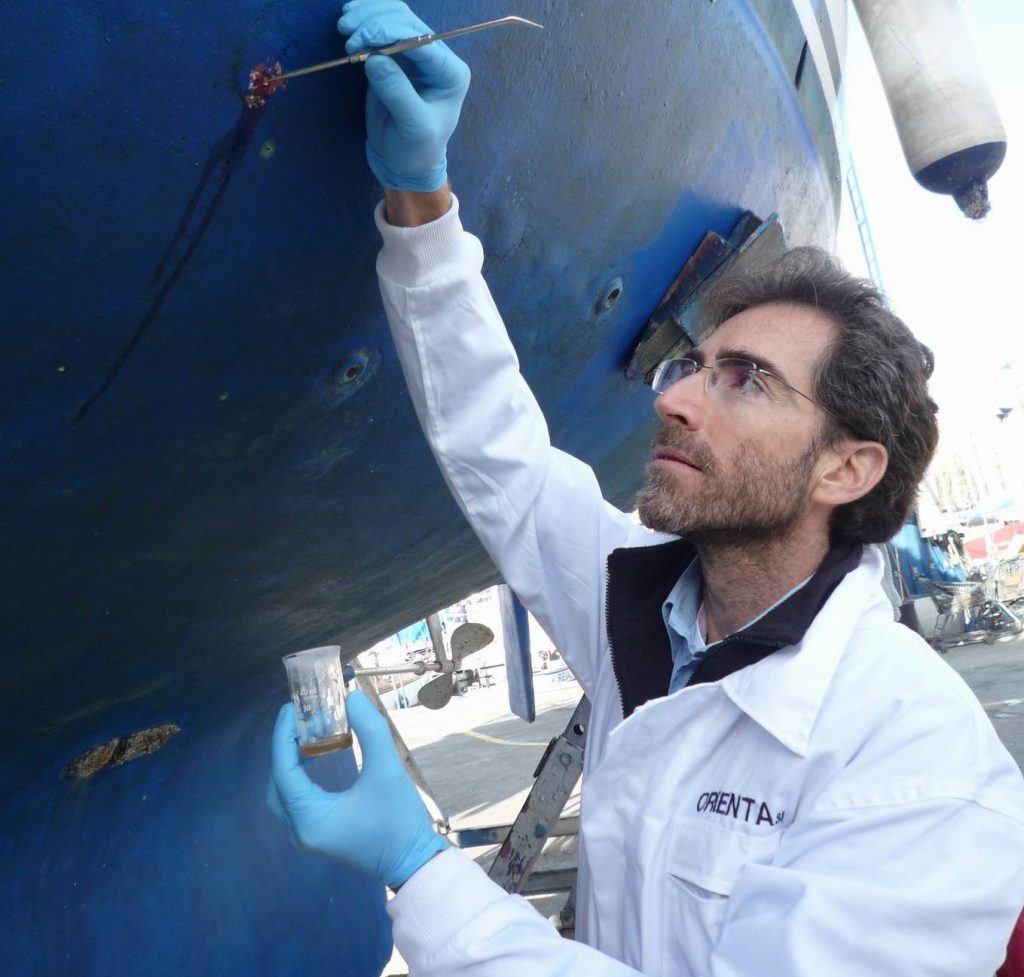
The pre-purchase inspection is carried out before purchasing a boat or yacht and its aim is to know its technical condition and identify deficiencies, damages or repair needs that may be relevant to the purchase decision.
The scope is adapted to the characteristics of the vessel and may include the review of the hull and structure, systems, machinery, equipment and installations, as well as the available technical documentation.
The inspection provides the buyer with independent technical information to assess the actual condition of the vessel, make an informed decision and, where appropriate, consider any deficiencies or repairs detected in the conditions of sale.
Condition Survey
A condition survey allows for the assessment and documentation of a vessel’s technical condition at a specific point in time, with a scope defined beforehand based on the survey’s purpose.
It may encompass an inspection of the hull and structure, machinery, systems, equipment, and installations, as well as a review of available technical documentation and other elements relevant to determining the vessel’s general condition.
It can be useful for owners, shipowners, managers, or other interested parties who need to know the vessel’s status, identify deficiencies or maintenance and repair requirements, or obtain a technical reference regarding its condition.
Inspection Following Damage or Incidents
Following an accident, grounding, impact, flooding, structural failure, or other incident, a technical inspection allows for the assessment of the nature and extent of the damage sustained by the vessel.
The work may involve identifying the affected areas and components, assessing their condition, and determining which ones require a more detailed examination or potential repairs.
When, in addition to assessing the damage, it is necessary to analyze the causes, evaluate the consequences, substantiate a claim, or draw conclusions regarding third parties, the task may require a formal marine survey or expert assessment.
Specific Inspections
Specific technical inspections focus on a particular area, component, system, or issue of the vessel when it is necessary to assess its condition or perform a more detailed diagnosis.
They may include inspections of the hull and structure, moisture, osmosis, corrosion, composite materials, machinery, specific equipment or systems, as well as any technical measurements or checks appropriate for the specific case.
The scope of the inspection is defined based on the vessel’s characteristics, the issue observed, and the information required by the client.
Technical Assessment
The technical assessment of a vessel is geared towards situations requiring the analysis of a specific need or problem before deciding on a course of action—such as a repair, modification, or upgrade.
In addition to inspecting the relevant components, the work may involve reviewing technical documentation, background information, existing solutions, and potential intervention alternatives.
The objective is to provide an independent technical basis for defining next steps, determining whether further checks are required, and—where appropriate—guiding the scope of any subsequent repairs, modifications, or engineering work.
