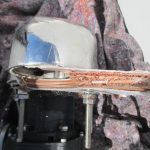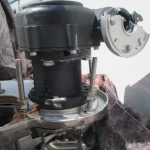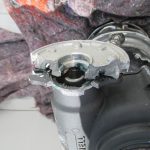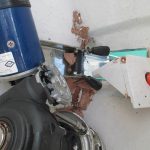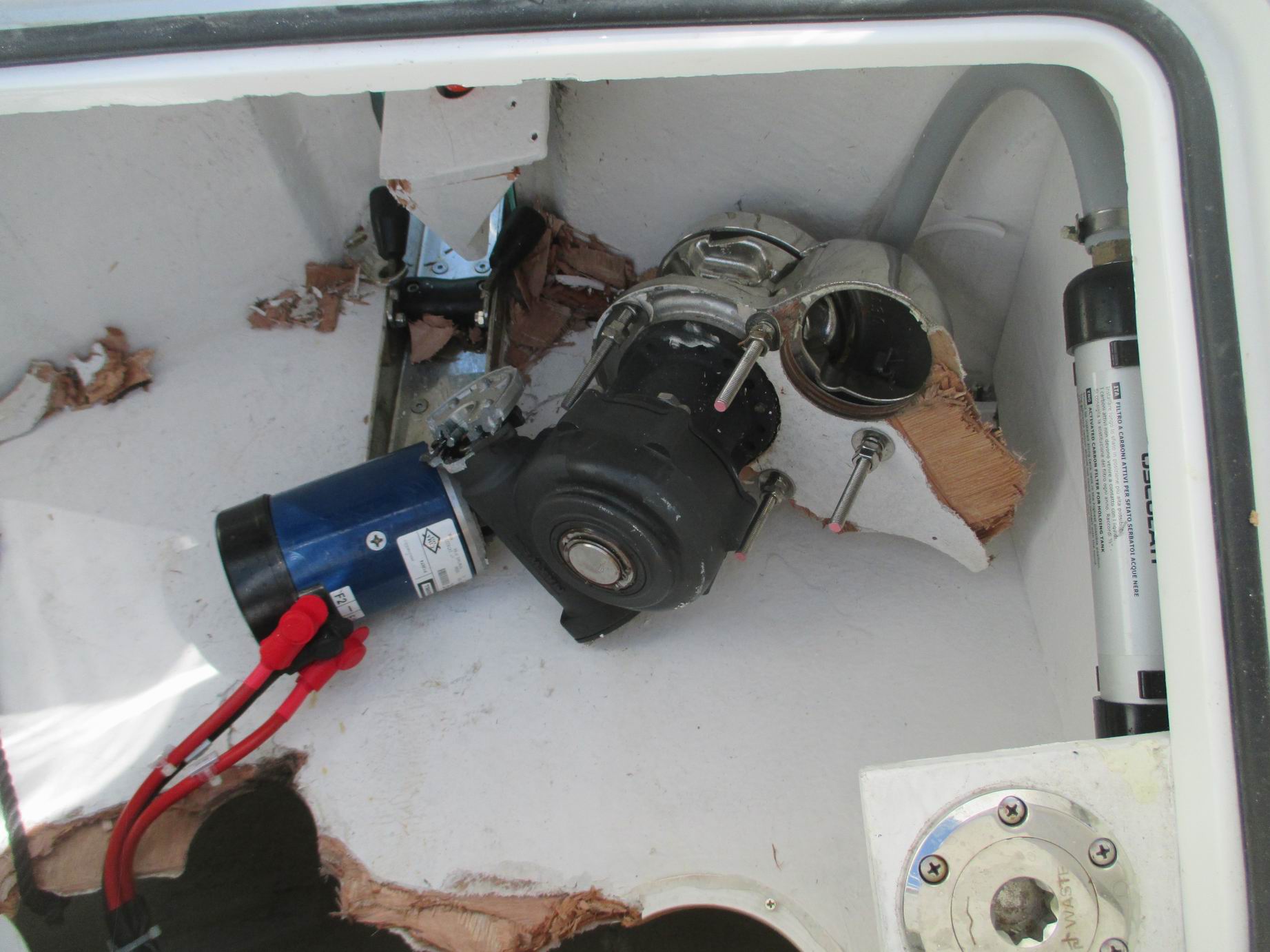
Windlass pulled out during the first anchoring operation on a new motor yacht
The captain of a 16-meter high-performance motor yacht, recently delivered by the shipyard, contacted us at the owner’s request after a serious failure occurred during the vessel’s first anchoring maneuver.
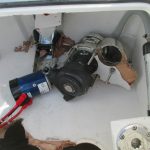
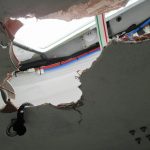
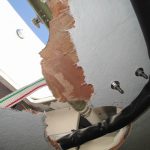
With the boat in calm seas and no waves, the base of the windlass was ripped completely off, causing significant damage to the anchoring area and raising serious concerns about the design and structural strength of its support.
The owner commissioned us to investigate the cause of the failure and provide an independent and well-founded technical opinion on its causes.
Investigation and Technical Analysis
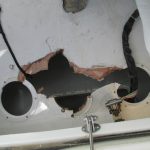
After conducting a detailed inspection of the affected area, we observed, among other things, several large perforations located next to the windlass, which could significantly compromise the structural integrity of the assembly. Based on the observations made, the corresponding technical and structural analysis was carried out, leading to the following conclusions:
• Catastrophic structural failure: the windlass support collapsed suddenly during a normal anchoring operation, with a working load well below the usual service limits.
• Poor geometric design: the four perforations made in the sandwich panel significantly reduced the available structural material and generated significant stress concentrations in the area.
• Insufficient structural capacity: even considering only the static load indicated by the windlass manufacturer, of 2,200 kg, the calculated stresses exceeded the permissible limits of the support panel. This load was also approximately three times lower than the minimum load required for the assembly’s design.
• Non-compliance with applicable regulations: the analysis revealed that the panel did not meet the requirements established in EN ISO 15084:2018, exhibiting a resistance approximately three times lower than the minimum required.
Outcome
A detailed technical report was prepared, compiling the observations made during the inspection, the analysis of the design and structural configuration, the calculations performed, and the conclusions regarding the cause of the failure.
The shipowner sent the report to the shipyard, which, after analyzing its conclusions, responded by assuming all the costs necessary to rectify the deficiency and repair the damage.
This case highlights the importance of an independent technical analysis when a premature failure occurs in a new vessel, as well as the need to verify not only the strength of the installed equipment, but also the proper design and dimensioning of the structures intended to support it.